You Won’t Believe What This Spanish City Hides in Plain Sight
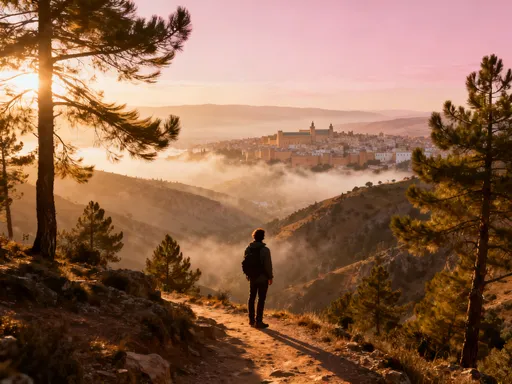
Walking through Salamanca feels like stepping into a living storybook where every plaza, courtyard, and cobblestone whispers history. I never expected a university town to pulse with such energy—students laughing, locals sipping coffee under golden stone arches, and sunlight bouncing off sandstone buildings in a warm glow. Public spaces here aren’t just pretty backdrops—they’re the heartbeat of daily life, where culture, connection, and discovery unfold naturally. This is exploration at its most authentic. Unlike destinations where tourism overshadows local rhythm, Salamanca maintains a delicate balance: visitors are welcomed not as spectators, but as temporary participants in a centuries-old way of life. The city’s magic lies not in grand monuments alone, but in how its public spaces invite presence, participation, and quiet wonder.
The Heartbeat of the City: Plaza Mayor as Social Engine
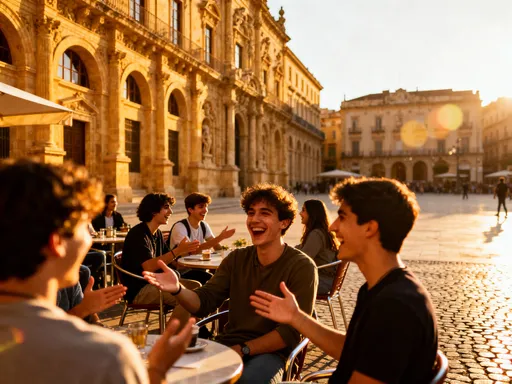
At the center of Salamanca’s urban soul stands the Plaza Mayor, often hailed as one of Europe’s most beautiful public squares. Completed in the 18th century after decades of construction, this grand Baroque plaza is more than an architectural triumph—it is a living room for the city. Its symmetrical arcades, adorned with intricate stone carvings and crowned by iron balconies, enclose a vast open space where sunlight pools in golden patches each morning. Locals begin their day here with a café con leche at one of the outdoor terraces, newspapers in hand, conversations unfolding in soft Castilian tones. By midday, students from the nearby university claim tables for group study, their backpacks piled on chairs, laughter rising above the clatter of dishes. In the late afternoon, families stroll through, children chasing pigeons between the fountains, while elders occupy sun-warmed stone benches, watching the world pass by.
What sets the Plaza Mayor apart is not merely its beauty, but its function as a true social engine. Unlike plazas in other European cities that serve primarily as tourist attractions, Salamanca’s central square remains deeply embedded in everyday life. Even during peak tourist seasons, the rhythm of local activity continues uninterrupted. Vendors sell fresh churros from small kiosks, the scent of fried dough and cinnamon sugar drifting through the air. Buskers play guitar or accordion in the corners, their melodies weaving into the ambient hum of conversation and clinking cups. On weekend evenings, the space transforms into a gathering ground for young people meeting before dinner, their voices echoing beneath the illuminated arches. The plaza’s design—its circular layout, tiered seating, and covered walkways—naturally encourages lingering and interaction, making it easy for strangers to become part of the same shared moment.
This continuous flow of life gives the Plaza Mayor a rare authenticity. It is not staged for visitors; it simply *is*. The energy here feels organic, sustained by generations of tradition and civic pride. Whether one sits quietly with a book, joins friends for tapas, or simply watches the light shift across the sandstone façades, the experience is one of inclusion. The plaza does not demand attention—it offers belonging. In a world where many historic spaces have been sanitized or commercialized, Salamanca’s heart remains alive, beating in time with the people who call it home.
University Life in Full Swing: Academic Spaces That Belong to Everyone
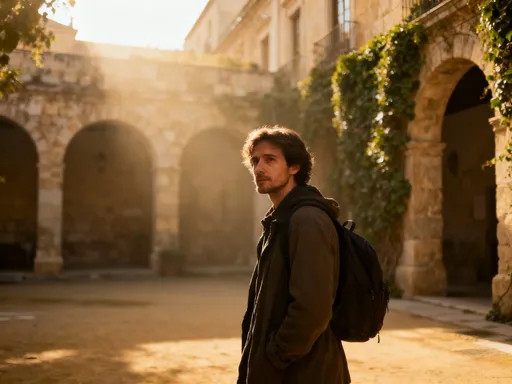
Just steps from the Plaza Mayor lies the University of Salamanca, founded in 1218 and recognized as the oldest university in the Hispanic world. Its presence infuses the city with intellectual vitality, yet what is remarkable is how seamlessly its academic spaces merge with public life. Unlike many historic institutions that remain cloistered and exclusive, Salamanca’s university opens its doors—and its courtyards—to all. The Patio de Escuelas, a serene central courtyard surrounded by arched cloisters, is freely accessible to visitors, students, and locals alike. Here, the past and present coexist: ancient stone columns support modern life, as students review notes on benches, tourists admire the ornate façade of the Escuela de Gramática, and artists sketch beneath the dappled shade of century-old trees.
The university’s integration into the city’s fabric reflects a broader philosophy: knowledge is not confined to classrooms, but thrives in open, shared environments. The famous facade of the university building, carved with intricate religious and astrological symbols, includes the hidden figure of a frog—said to bring good luck to those who find it before exams. This playful detail, beloved by students, has become a ritual for visitors, symbolizing the blend of tradition, learning, and lightheartedness that defines Salamanca’s academic culture. But beyond symbolism, the real magic lies in the daily interactions that unfold in these spaces. A philosophy student debates ethics with a friend under a stone arch. A visiting scholar reads in silence near a marble fountain. A local resident pauses during a walk to admire the quiet elegance of the courtyard, momentarily stepping out of the bustle of the city.
These moments are not staged or curated—they emerge naturally from a design that prioritizes accessibility and human connection. The university does not wall itself off from the community; instead, it invites participation. During orientation week, the patio becomes a hub of orientation activities, with music, banners, and long tables serving refreshments. In spring, open-air lectures and poetry readings are held here, drawing mixed audiences of students, faculty, and curious passersby. This blending of academic and civic life fosters a culture of intellectual curiosity that extends beyond campus boundaries. In Salamanca, education is not a separate sphere—it is woven into the rhythm of the streets, visible in the animated discussions over coffee, the well-worn books carried in backpacks, and the respect for learning that permeates daily conversation.
Hidden Courtyards and Quiet Corners: Off-the-Radar Gathering Spots
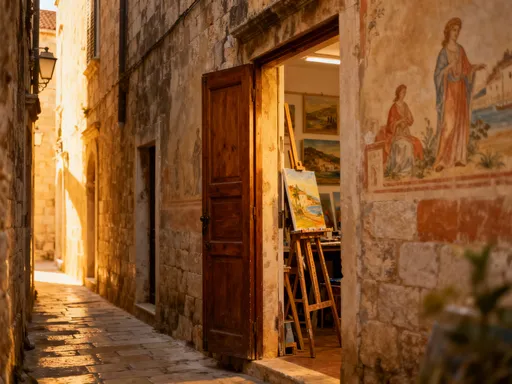
Beyond the well-trodden paths of the Plaza Mayor and university grounds, Salamanca reveals a network of hidden courtyards and intimate plazas that offer a quieter, more contemplative side of city life. These spaces, often tucked behind cathedral walls or nestled within residential neighborhoods, serve as refuges from the daytime bustle. One such gem is the Claustro de la Escuela de Anatomía, a secluded cloister adjacent to the old medical school. Its serene arcades and central garden, dotted with fragrant herbs and climbing jasmine, create an atmosphere of stillness rare in urban centers. Here, one might find a retired professor reading Cervantes beneath a stone arch, a young couple sharing quiet conversation on a wooden bench, or a traveler sketching the delicate stonework in a notebook.
These lesser-known spaces are not designed for mass tourism; they are sustained by local use and quiet appreciation. Small plazas like Plaza de la Escuela or Patio de las Doncellas offer similar retreats—intimate, unassuming, and rich in character. They are places where time seems to slow, where the sound of footsteps on cobblestones replaces the hum of traffic, and where sunlight filters through wrought-iron grilles in delicate patterns. Unlike grand plazas that command attention, these corners invite introspection. They are favored by those seeking solitude, creative inspiration, or simply a moment of peace amidst the city’s rhythm.
What makes these hidden spots so meaningful is their authenticity. They are not maintained for photo opportunities, but for real, everyday use. A grandmother might sit here with her knitting, a student with a language textbook, or a local artist capturing the play of light on weathered stone. Their presence reminds visitors that Salamanca is not a museum frozen in time, but a living city with layers of experience waiting to be discovered. To stumble upon one of these courtyards is to feel a sense of quiet revelation—a personal connection to a place that reveals itself only to those who wander with intention. In an age of curated travel experiences, such moments of unplanned discovery are rare and precious.
Green Oases: Parks and Riverside Walks for Local Escape
While Salamanca’s stone plazas and historic courtyards define its architectural charm, the city also embraces nature through carefully maintained green spaces that serve as vital outlets for relaxation and recreation. Parque de la Alamedilla, one of the city’s largest public parks, offers a refreshing contrast to the urban core. Wide tree-lined avenues, flowerbeds bursting with seasonal blooms, and shaded picnic areas create an inviting atmosphere for families, joggers, and dog walkers. Children laugh on playgrounds, couples stroll hand in hand along gravel paths, and elderly residents practice tai chi in open clearings. Benches are thoughtfully placed beneath the canopy of plane and chestnut trees, offering quiet spots for reading or conversation.
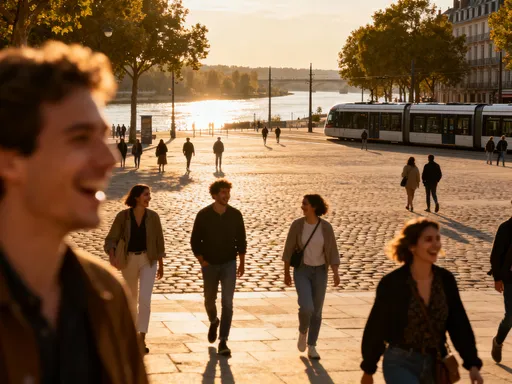
Equally beloved is the riverside promenade along the Tormes River, where locals escape the summer heat with evening walks, bicycle rides, and casual gatherings. The path, flanked by willows and reeds, follows the gentle current of the river, offering views of stone bridges and distant church spires. Benches and small kiosks provide rest points, while bike lanes encourage sustainable mobility. On weekends, it’s common to see families spreading out blankets for picnics, teenagers playing music near the water, or fishermen casting lines from the banks. The riverbanks are not manicured in a formal sense—they retain a natural, slightly wild character that enhances their appeal as places of respite.
These green spaces reflect a balanced approach to urban planning, where nature is not an afterthought but an essential component of daily life. Unlike cities where parks are isolated or underutilized, Salamanca’s natural areas are deeply integrated into the social fabric. They are not weekend destinations, but regular parts of the weekly routine—places where exercise, family time, and quiet reflection occur naturally. The city’s commitment to accessible greenery ensures that all residents, regardless of age or background, can enjoy the physical and emotional benefits of time outdoors. For visitors, these spaces offer a glimpse into the quieter, more personal rhythms of Salamanca’s residents—a reminder that true urban well-being lies in the harmony between built environments and natural landscapes.
Festivals and Street Life: When Public Spaces Come Alive
Throughout the year, Salamanca’s public spaces undergo temporary transformations during festivals and seasonal celebrations, revealing another dimension of communal life. These events turn plazas, streets, and courtyards into vibrant stages of collective joy, where tradition and spontaneity blend seamlessly. One of the most anticipated occasions is the Holy Week (Semana Santa) processions, when brotherhoods in traditional robes carry ornate religious statues through the city at night, accompanied by solemn music and flickering candles. The Plaza Mayor becomes a viewing point for families and visitors, their faces illuminated by the glow of torchlight, while the rhythmic beat of drums echoes off stone walls. Though deeply rooted in faith, these processions also serve as powerful expressions of community identity and continuity.
Equally lively are the student-centered festivities, particularly the Fogueras de San Juan in June, when bonfires are lit along the Tormes River to mark the summer solstice. Young people gather in large groups, singing, dancing, and leaping over flames in a ritual said to bring good luck. The riverbanks, usually quiet, pulse with energy as music fills the air and fireworks light up the night sky. Temporary food stalls appear, selling local specialties like sardines and sangria, while friendships are forged and memories made in the warmth of the flames.
Other events, such as the Feria de Abril and Christmas markets, further animate the city’s public life. The Feria brings colorful casetas (decorated tents) to open fields, where families enjoy traditional music, dancing, and regional cuisine. Christmas markets in the Plaza Mayor transform the square into a festive wonderland, with wooden stalls selling crafts, hot chocolate, and handmade ornaments. These seasonal changes do not erase the everyday character of the spaces—they enhance it, layering new experiences onto familiar ground. What makes these festivals special is the high level of community participation. They are not performances for tourists, but genuine expressions of local culture, shaped by generations of tradition and shared enthusiasm. In these moments, the city’s public spaces become true epicenters of belonging, where joy is not consumed, but co-created.
Design That Invites: Urban Planning with Human Connection in Mind
One of the most remarkable aspects of Salamanca is how its urban design inherently supports human connection. The city’s layout—characterized by narrow, winding streets that suddenly open into spacious plazas—creates a rhythm of discovery and relief. This intentional contrast encourages exploration while providing natural gathering points. The extensive pedestrianization of the historic center ensures that people, not vehicles, dominate the streets. Sidewalks are wide, surfaces are smooth, and accessibility features such as ramps and tactile paving make the city navigable for all, including older adults and those with mobility challenges.
The use of local sandstone in nearly every building contributes to a harmonious aesthetic that changes with the light. At sunrise, the city glows in soft pink hues; at noon, it radiates a warm gold; by sunset, it deepens into amber and rose. This natural luminosity enhances the inviting quality of public spaces, making them pleasant to inhabit at all hours. Benches are strategically placed in sunny and shaded areas, often arranged in small groupings to encourage conversation. Even minor design details—such as the height of tables at café terraces or the spacing of lampposts—reflect a deep understanding of human behavior and comfort.
Compared to other historic cities where public spaces can feel cold, formal, or exclusionary, Salamanca’s design philosophy stands out for its warmth and inclusivity. There are no barriers between residents and visitors, between students and elders, between daily life and celebration. The city does not rely on grand gestures to foster connection—it builds it into the very fabric of its streets and squares. This thoughtful planning is not accidental, but the result of centuries of evolution and deliberate stewardship. It reflects a belief that the purpose of a city is not merely to house people, but to bring them together.
Why This Matters: The Bigger Picture of Meaningful Travel
Salamanca offers more than a picturesque escape—it presents a model for what meaningful travel can be. In an era where tourism often reduces cities to checklists of attractions, Salamanca invites a deeper form of engagement. Its public spaces are not static exhibits, but living environments where culture is practiced, not performed. To walk through its plazas, courtyards, and parks is to witness how architecture, history, and community can coexist in harmony. The city reminds us that the soul of a place is not found only in its museums or monuments, but in the way people live, gather, and share their days.
For travelers, especially those seeking enriching, human-centered experiences, Salamanca offers a powerful lesson: the best destinations are those that prioritize connection over consumption. They are cities where public life thrives organically, where strangers can feel welcome, and where every bench, fountain, and tree has a story to tell. By choosing to visit and support such places, travelers contribute to a more sustainable and empathetic form of tourism—one that values authenticity, respect, and shared humanity.
In the end, Salamanca’s greatest hidden treasure is not a single courtyard or statue, but the quiet understanding that public spaces belong to everyone. They are not merely places to see, but to be in. To sit, to listen, to linger. To feel, even for a moment, like you are part of something enduring. That is the kind of travel that stays with you—not as a memory of what you saw, but as a feeling of where you belonged.