You Won’t Believe What This Mexican City Hides in Its Streets
Guanajuato, Mexico, isn’t just colorful—it’s alive. Every alleyway hums with music, every slope tells a story, and every corner feels like a secret waiting to be found. I went looking for charm and left with a heart full of wonder. This is urban magic at its finest—where history, art, and daily life blend seamlessly into an experience you can’t fake. Guanajuato doesn’t just welcome you; it embraces you. Nestled in a narrow valley in central Mexico, this UNESCO World Heritage city is a masterpiece of colonial architecture and human ingenuity. Its winding streets, painted homes, and echoing plazas create a symphony of culture and color that invites slow exploration and deep connection. More than a destination, Guanajuato is a feeling—one that stays long after the journey ends.
The Soul of the City: Stepping into Guanajuato’s Living Urban Fabric
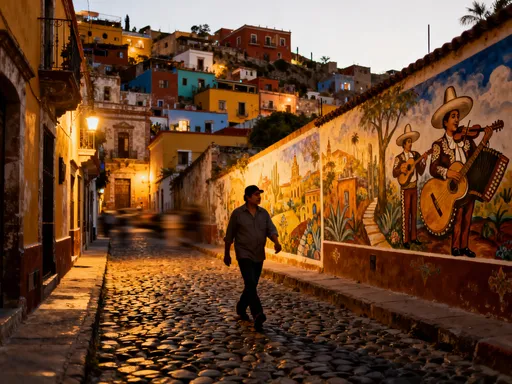
Guanajuato’s essence is revealed not in grand entrances but in the quiet moments between steps. As visitors descend into the city, nestled within a steep ravine, they are immediately struck by its verticality and intimacy. The streets twist and turn like threads in a handwoven tapestry, some so narrow that buildings nearly touch overhead. Cobblestones, worn smooth by centuries of foot traffic, guide the way through a labyrinth where every turn promises something new. Unlike cities built on grids, Guanajuato evolved organically, shaped by the terrain and the lives of those who built it. This organic growth gives the city a rhythm—a pulse felt in the echo of footsteps, the murmur of conversations from open windows, and the sudden burst of a guitar from a hidden courtyard.
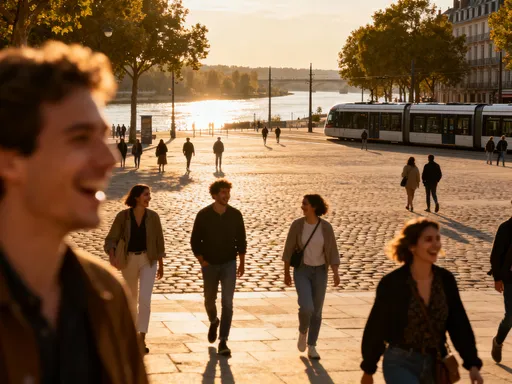
What makes Guanajuato truly unique is how its physical form fosters connection. The absence of wide boulevards and towering skyscrapers creates a human-scaled environment where eye contact is common and strangers often exchange smiles. The city was not designed for cars but for people, and even today, much of the historic center remains closed to vehicular traffic. This encourages walking, lingering, and observing—the very behaviors that lead to meaningful travel experiences. The sound of a distant marimba blends with the scent of warm tortillas and roasting elote, drawing visitors toward plazas where life unfolds in real time. Families gather in the late afternoon, children chase pigeons, and street vendors offer handmade trinkets and sweet atole.
The architecture itself tells a story of resilience and beauty. Colonial-era buildings, painted in vibrant shades of ochre, cobalt, and terracotta, cling to the hillsides like flowers on a slope. Many were constructed using pink cantera stone, a local volcanic rock that glows warmly in the afternoon sun. Balconies overflow with potted geraniums, and wrought-iron grilles protect windows carved with intricate designs. These are not museum pieces but lived-in homes, shops, and workshops where generations have raised families and built businesses. The city’s topography, once a challenge for transportation, now enhances its charm—elevated walkways, hidden staircases, and underground passages all contribute to a sense of discovery with every step.
Alleyways with Stories: Walking Through History and Art
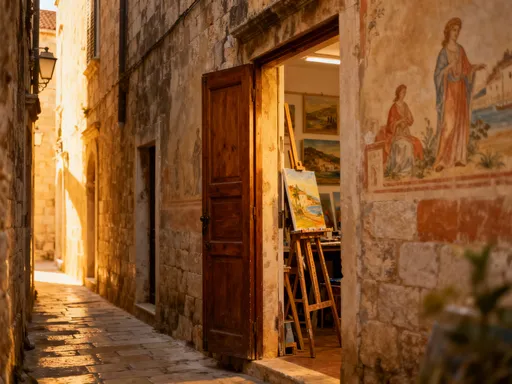
If Guanajuato has a heartbeat, it pulses strongest in its alleyways. These slender passageways, often no wider than a few feet, are more than shortcuts—they are vessels of memory and myth. Among the most famous is the Callejón del Beso, or Alley of the Kiss, a narrow gap between two brightly painted buildings where legend says that couples who kiss on the third step will enjoy seven years of happiness. Locals recount tales of star-crossed lovers and jealous suitors, stories passed down through generations and now embraced by visitors seeking a touch of romance. Whether one believes the legend or not, the act of standing shoulder-to-shoulder in such a tight space creates an instant connection, not just between partners but with the city itself.
Another hidden gem is the Callejón de los Hilos, named for the threads once used by seamstresses who worked in the surrounding homes. Today, this quiet lane is adorned with colorful yarn installations, transforming it into an open-air textile gallery. It exemplifies how Guanajuato blends past and present—honoring traditional crafts while inviting contemporary artistic expression. Murals depicting indigenous symbols, revolutionary figures, and whimsical animals appear on walls throughout the city, often in the least expected places. These artworks are not confined to galleries; they are part of daily life, changing with the seasons and the mood of the community.
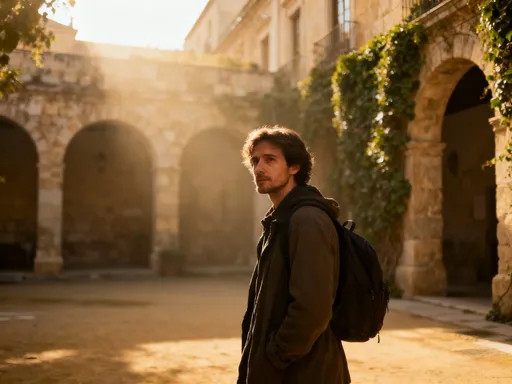
Walking these alleys is an invitation to slow down and observe. The walls are layered with history—peeling paint reveals older colors beneath, like pages in a forgotten book. Music often spills from open doorways: a student practicing violin, a group of friends strumming guitars, or a spontaneous mariachi performance in a nearby plaza. The best times to explore are early morning and late afternoon, when the light slants through the alleys, casting long shadows and illuminating details often missed in harsh midday sun. Visitors are encouraged to move quietly, respect private spaces, and engage politely with performers. A small tip or a sincere thank you can go a long way in fostering goodwill and authentic interaction.
Plazas as Living Rooms: Where Community Meets Culture
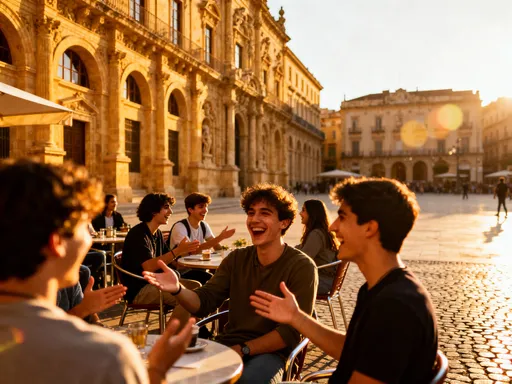
In Guanajuato, plazas are not merely decorative spaces—they are the living rooms of the city. Central to social life, these open squares serve as gathering places for families, musicians, storytellers, and travelers alike. Jardín de la Unión, the main plaza, is the heart of daily activity. Surrounded by cafés with wrought-iron chairs and shaded by tall palm trees, it buzzes with energy from morning until night. Locals sip coffee, read newspapers, or meet friends for afternoon walks. As evening falls, the plaza transforms—musicians tune their instruments, children chase bubbles, and couples stroll hand in hand beneath the glow of antique streetlamps.
Each plaza has its own personality. Plaza de la Paz, home to the city’s iconic basilica, offers a more contemplative atmosphere. The Baroque façade of the Templo de San Diego de Alcalá rises majestically above the square, its pink stone glowing at sunset. This plaza is often quieter, a place for reflection or quiet conversation. Nearby, Plaza San Fernando hosts weekend art markets where local painters and jewelers display their work. These markets are not tourist spectacles but genuine extensions of the local creative economy, where artisans earn a living and share their heritage.
The design of these plazas reflects a deep understanding of human comfort and community. Benches are placed to catch the sun in winter and shade in summer. Fountains provide the soothing sound of water, a calming counterpoint to the city’s vibrant energy. The architecture surrounding each square is harmonious, with consistent heights and materials that create a sense of enclosure and safety. These spaces are not frozen in time; they evolve with the seasons and the needs of the people. During festivals like the Cervantino International Festival, the plazas become stages for world-class performances. On ordinary days, they remain accessible and welcoming, a testament to urban design that prioritizes people over spectacle.
Hidden Layers: Exploring Guanajuato’s Underground and Elevated Paths
Beneath the surface of Guanajuato lies another city—one of tunnels, shadows, and quiet echoes. In the 18th century, engineers carved a network of underground passages to control flooding from the seasonal river that runs beneath the valley. Today, these tunnels serve as pedestrian walkways and one-way roads, offering a unique way to navigate the city. Walking through them is an experience in contrast: the cool, dimly lit corridors stand in stark relief to the sun-drenched streets above. The air is damp, the sound of footsteps reverberates, and the occasional mural or light installation adds a touch of artistry to the utilitarian space.
Some of the tunnels are open to pedestrians, allowing visitors to cross the city center without climbing steep hills. They are well-lit and safe, with clear signage and occasional security patrols. Families, students, and commuters use them daily, making them an authentic part of urban life rather than a tourist gimmick. For those with mobility concerns, the tunnels offer a more level route through the city, though some sections may be narrow or uneven. It’s advisable to wear comfortable shoes and remain aware of surroundings, especially during peak hours when traffic—both pedestrian and vehicular—can be heavy.
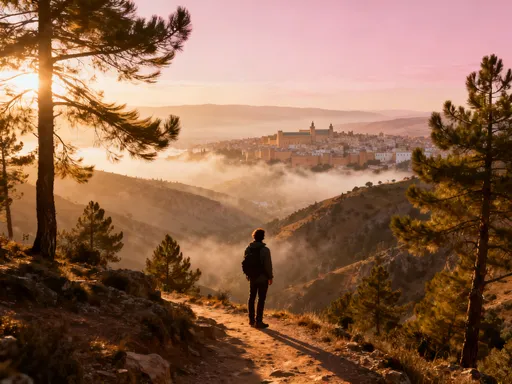
For a view of the city from above, the funicular ride to El Pípila offers a breathtaking contrast. Named after a local hero who helped ignite the Mexican War of Independence, the monument stands atop a hill overlooking Guanajuato. The short cable car journey ascends the steep slope, revealing a panoramic vista of red-tiled roofs, winding streets, and surrounding mountains. At the top, a wide terrace provides space to take in the scene, read the historical plaques, or simply watch the light change over the valley. The return trip on foot via the walking trail offers another perspective, winding through cacti and native plants with occasional lookout points.
Together, the underground and elevated paths illustrate Guanajuato’s layered genius. The city is not experienced from a single vantage point but through movement—descending into shadows, climbing toward light, and discovering how each level reveals a different facet of its character. This vertical complexity makes exploration rewarding, encouraging visitors to see the city from multiple angles, both literally and metaphorically.
Local Life in Full Color: Markets, Workshops, and Daily Rhythms
To understand Guanajuato, one must step into its markets and workshops, where the rhythms of daily life unfold in vibrant detail. The Mercado Hidalgo, a bustling indoor market under a grand iron roof, is a sensory delight. Vendors call out prices for fresh produce—plump tomatoes, purple corn, fragrant cilantro—while baskets of dried chiles and spices create colorful displays. The air is rich with the scent of grilled meat, sweet pineapple, and warm corn tortillas. Local women in aprons hand-roll gorditas, while butchers carve cuts of cecina, a salted beef specialty of the region.
Visitors are welcome to explore, though it’s important to observe respectfully. Many shoppers are there for daily necessities, not photo opportunities. A simple “buenos días” or a nod goes a long way. Those who linger may be invited to taste a sample of queso ranchero, a creamy, slightly tangy cheese made in nearby villages. Stalls also sell hand-painted ceramics, embroidered textiles, and silver jewelry—crafts that reflect Guanajuato’s rich artistic traditions. These are not mass-produced souvenirs but items made with care, often by the same people selling them.
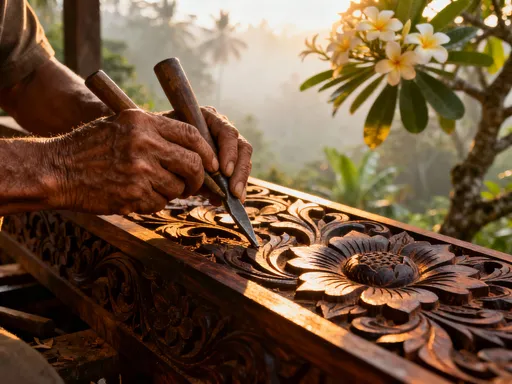
Scattered throughout the city’s narrow streets are small workshops where artisans practice their trades. In one alley, a potter shapes clay on a kick wheel, his hands moving with practiced ease. Around the corner, a leatherworker stitches belts and bags using techniques passed down through generations. Some workshops have open fronts, allowing passersby to watch the creative process. A few offer short demonstrations or classes, providing a deeper connection to the craft. These spaces are not performative; they are working studios where art and livelihood intersect. By supporting them, visitors contribute directly to the local economy and help preserve cultural heritage.
Smart Navigation: Getting Around Without the Hassle
Navigating Guanajuato is part of the experience, but a little planning ensures comfort and ease. The historic center is best explored on foot, and comfortable, sturdy shoes are essential. The cobblestones, while beautiful, can be uneven and slippery when wet. Walking allows travelers to notice small details—the pattern of tiles on a doorstep, the sound of a fountain in a hidden courtyard, the scent of jasmine from a balcony above. It also supports the city’s pedestrian-friendly culture and reduces environmental impact.
Due to the terrain, some areas involve steep climbs. While most visitors manage well with regular pacing, those with mobility challenges can use local taxis, which are plentiful and affordable. Many drivers know the best drop-off points near major attractions and can assist with navigation. The funicular to El Pípila is wheelchair accessible and offers a scenic alternative to the uphill hike. For those arriving by car, parking is available on the outskirts, with shuttle services into the center.
To avoid crowds, early mornings and weekdays are ideal. The city is quieter then, and the light is perfect for photography. Evenings offer a different charm, with plazas lit by warm lamps and music filling the air. It’s wise to carry water, especially in warmer months, and to take breaks in shaded areas. There are plenty of small cafés and benches where one can rest and observe city life. Above all, embracing a slow pace is key. Guanajuato rewards patience and presence—rushing through its streets means missing the whispers of history and the warmth of human connection that define it.
Why Guanajuato Changes How You See Cities
Guanajuato does more than entertain—it transforms. In an age of sprawling metropolises and homogenized urban landscapes, this city stands as a reminder of what urban life can be: intimate, expressive, and deeply rooted in culture. It challenges the notion that cities must be large to be significant. Here, beauty is found in the details—a hand-painted door, a child’s laughter in an alley, the way sunlight filters through a canopy of trees in a quiet plaza. The city’s scale invites engagement rather than isolation, connection rather than anonymity.
Unlike modern developments designed for efficiency, Guanajuato evolved with the human experience in mind. Its streets were shaped by foot traffic, its plazas by community needs, its buildings by local materials and craftsmanship. This organic development created a place that feels authentic and alive. Visitors don’t just see Guanajuato—they feel it in their steps, hear it in the music, taste it in the food. It’s a city that doesn’t perform for tourists but simply lives, generously allowing others to witness its rhythm.
Experiencing Guanajuato reshapes expectations. It raises questions: Why can’t more cities be this walkable? Why aren’t more public spaces designed for gathering and joy? What would it mean to live in a place where art is part of the streetscape and history is visible in the walls? The city doesn’t offer answers but inspiration—a model of urban life that values beauty, community, and continuity. It proves that even in the 21st century, cities can be soulful.
For travelers, especially those seeking meaningful, enriching experiences, Guanajuato is a revelation. It invites a different kind of tourism—one based on presence, respect, and curiosity. It reminds us that the best destinations are not just seen but felt. So step softly through its alleys, listen to its stories, and let the city work its quiet magic. In Guanajuato, every corner holds a secret, and every moment has the power to change how you see the world.