You Won’t Believe What Bali’s Cities Are Hiding
When you think of Bali, serene beaches and rice terraces probably come to mind—but there’s another side to the island most travelers miss. Beyond the postcard views lies a vibrant urban landscape buzzing with creativity, culture, and unexpected energy. I set out to explore Bali’s city spaces, from bustling Denpasar to up-and-coming art districts, and what I discovered completely changed how I see this island. Urban Bali isn’t just functional—it’s fascinating. While many visitors flock to the coastal resorts of Seminyak or the spiritual aura of Ubud, few take the time to wander through the island’s true beating heart: its cities. These urban centers are where tradition meets transformation, where daily life unfolds in markets, temples, and street corners often overlooked by guidebooks. This is not the Bali of Instagram sunsets, but it may be the most authentic version of all.
Reimagining Bali: Beyond the Beaches
Bali is globally celebrated for its emerald rice fields, cliffside temples, and turquoise coastlines. Yet, beneath the surface of this tropical paradise lies a network of urban centers that play a crucial role in shaping the island’s identity. While tourism focuses on scenic escapes, the reality is that Bali is also a place of evolving cities where millions live, work, and innovate every day. These urban zones are not mere backdrops to the island’s natural beauty—they are dynamic spaces where culture, commerce, and community converge. The misconception that Bali is solely a rural retreat overlooks the fact that nearly 60% of its population resides in urban or semi-urban areas, with Denpasar alone housing over 900,000 people. This urban footprint supports the tourism industry while maintaining a strong sense of local identity.
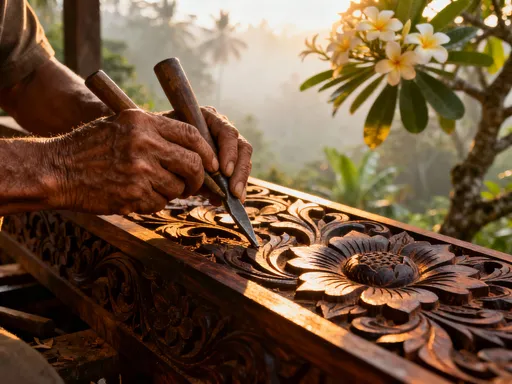
Understanding Bali’s cities means recognizing their dual role as both economic engines and cultural guardians. They serve as logistical hubs for travelers—home to the island’s main airport, government offices, hospitals, and universities—yet they are also deeply rooted in Balinese traditions. Morning offerings appear on sidewalks beside modern storefronts, and temple ceremonies unfold blocks away from co-working spaces. This coexistence reflects a unique balance between progress and preservation. Urban development has accelerated in recent decades due to tourism growth, but rather than erasing local character, many city neighborhoods have adapted by integrating modern infrastructure with cultural values. For example, new buildings often incorporate traditional Balinese architectural elements like alang-alang roofs and carved wooden gates, ensuring that even in development, heritage remains visible.
What makes Bali’s urban evolution particularly compelling is its organic nature. Unlike planned metropolises, these cities have grown incrementally, shaped by community needs and cultural rhythms. This bottom-up development fosters authenticity, allowing neighborhoods to retain their distinct personalities. Travelers who venture beyond the tourist enclaves discover a Bali that is alive with daily rituals, local entrepreneurship, and grassroots creativity. By reimagining the island beyond its beaches, we begin to appreciate that Bali’s soul is not confined to its landscapes—it pulses through its streets, markets, and homes, where real life unfolds with quiet dignity and vibrant energy.
Denpasar: The Beating Heart of Urban Bali
As Bali’s capital and largest city, Denpasar is often dismissed as a transit point—somewhere you pass through on the way to the airport or a beach resort. But to see Denpasar only as a functional stopover is to miss one of the island’s most vital cultural and administrative centers. Covering nearly 130 square kilometers, Denpasar is the political, economic, and social nucleus of Bali, hosting the provincial government, major hospitals, educational institutions, and key transportation networks. It is here that policies shaping the island’s future are made, where local businesses thrive, and where Balinese families have lived for generations. Far from being a sterile urban sprawl, Denpasar pulses with the rhythms of everyday life, offering a grounded perspective on how modernity and tradition coexist in contemporary Bali.
The city’s layout reflects its layered history, blending Dutch colonial influences with indigenous design. Central districts like Dauh Puri and Sesetan feature wide boulevards and administrative buildings from the early 20th century, while residential neighborhoods maintain the traditional banjar system—a community-based social structure that governs everything from temple maintenance to waste management. One of the most striking examples of Denpasar’s cultural vitality is Pasar Badung, the island’s largest traditional market. This bustling hub overflows with color, scent, and sound, offering everything from fresh produce and spices to handmade textiles and ceremonial supplies. Locals arrive before dawn to bargain for ingredients, while tourists increasingly seek out its authenticity amid the island’s growing commercialization.
Denpasar is also home to significant religious sites, including Pura Maospahit, a 14th-century temple known for its intricate stone carvings and Majapahit-era architecture. Unlike the dramatic cliffside temples frequented by tourists, this sacred space is embedded within the urban fabric, serving as a spiritual anchor for nearby residents. Daily offerings line the sidewalks, and community members gather regularly for temple anniversaries and festivals. The city’s religious calendar remains deeply tied to the Balinese Pawukon system, a 210-day ritual cycle that structures communal life. Even as traffic flows and businesses operate, the spiritual heartbeat of Bali continues uninterrupted. Denpasar may lack the polished charm of tourist towns, but its raw, unfiltered energy offers a more complete picture of Balinese society—one where governance, faith, and daily survival intersect in meaningful ways.
From Sacred to Street: The Cultural Pulse in City Spaces
In Bali’s cities, spirituality is not confined to remote temples or ceremonial occasions—it is woven into the very fabric of urban life. The island’s Hindu-Balinese traditions thrive not only in grand temples but also in alleyways, parking lots, and roadside shrines. It’s common to see a family preparing a canang sari offering outside a convenience store or hear gamelan music drifting from a community hall during a weekday evening. These moments reveal that culture in urban Bali is not performative for tourists; it is lived, continuous, and deeply personal. The sacred and the secular exist side by side, creating a cultural landscape where ancient rituals coexist with contemporary urban expression.
One of the most visible signs of this fusion is the rise of street art in neighborhoods like Renon and Sanur. Once plain walls now feature murals depicting mythological figures, Balinese dancers, and environmental messages, blending traditional iconography with modern techniques. These artworks are not just decorative—they often carry spiritual or social meaning, serving as visual prayers or calls for community awareness. Some murals are created in collaboration with local temples, ensuring they align with cultural norms. At the same time, music venues and cafes host regular performances of traditional dance and gamelan, introducing younger generations and visitors to Balinese arts in accessible settings. This blending of old and new allows culture to remain dynamic rather than static, evolving without losing its roots.
Community festivals further illustrate the cultural pulse of urban Bali. Events like Denpasar Festival and Sanur Village Carnival bring together residents, artists, and local businesses in celebrations that honor both heritage and innovation. These gatherings feature traditional processions, culinary fairs, and eco-awareness campaigns, reflecting how urban communities use culture as a tool for social cohesion and environmental stewardship. Even everyday spaces become stages for cultural expression—warungs double as gathering spots for storytelling, while neighborhood temples host youth workshops on dance and music. In these ways, the city becomes a living museum of Balinese identity, where tradition is not preserved behind glass but practiced in the open air, adapting to the rhythms of modern life.
Art & Innovation: The Rise of Creative Urban Hubs
Bali’s reputation as a cultural haven extends far beyond its temples and rice fields—it has become a thriving center for artistic innovation, particularly in its urban zones. While Ubud has long been celebrated as an arts capital, cities like Denpasar, Renon, and Singaraja are emerging as new creative frontiers. These areas are home to galleries, design studios, and collaborative workspaces where Balinese and international artists intersect, fostering a renaissance in visual arts, fashion, and digital media. The rise of these creative hubs reflects a broader shift: urban Bali is no longer just a support system for tourism but a source of cultural production in its own right.
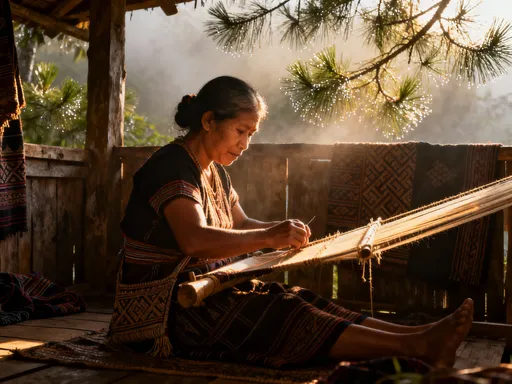
In Renon, a quiet district just north of Denpasar’s center, a cluster of independent galleries and artist collectives has transformed former residential buildings into vibrant cultural spaces. Places like the Bentara Budaya Bali and the Neka Art Gallery host rotating exhibitions that showcase both classical Balinese painting and contemporary installations. These venues attract local art enthusiasts, students, and visiting curators, creating a dialogue between tradition and modernity. Meanwhile, design studios are reimagining Balinese craftsmanship for global markets, producing handwoven textiles, sustainable homewares, and eco-conscious fashion lines that honor local techniques while appealing to international tastes.
The growth of co-working spaces and digital nomad communities has also contributed to this creative surge. In neighborhoods like Sanur and Kesiman, entrepreneurs and creatives gather in shared offices that double as cultural exchange hubs. These environments encourage collaboration between local artisans and foreign designers, resulting in innovative products that blend Balinese aesthetics with modern functionality. Art markets and pop-up events further amplify this movement, giving emerging artists a platform to reach wider audiences. What’s particularly inspiring is how these creative spaces prioritize sustainability and community impact, often partnering with local cooperatives and environmental groups. Urban Bali’s artistic evolution is not just about aesthetics—it’s about building a creative economy that values culture, craftsmanship, and connection.
Mobility & City Life: Navigating Bali’s Urban Rhythm
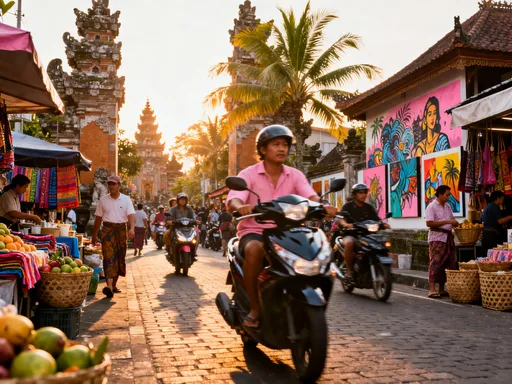
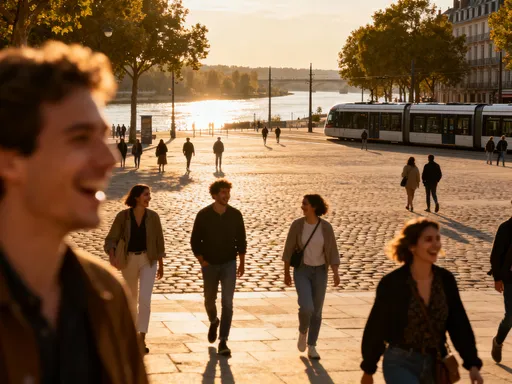
Life in urban Bali moves at a distinct pace, shaped by the island’s unique transportation culture. The dominant mode of transit is the motor scooter, with millions navigating narrow streets and busy intersections daily. This two-wheeled lifestyle offers unmatched flexibility in a cityscape where traffic congestion is common and parking is limited. Ride-hailing apps like Grab and Gojek have become essential tools, providing affordable and efficient transport for both locals and visitors. These services have also created income opportunities for thousands of drivers, integrating digital innovation into the urban economy. However, the sheer volume of vehicles presents challenges, including air quality concerns and road safety issues, particularly during peak hours when major arteries like Jalan Diponegoro and Jalan Imam Bonjol become gridlocked.
In response, city planners and community leaders are exploring sustainable mobility solutions. Pilot projects in Denpasar have introduced pedestrian-only zones in key areas, such as the revitalized Bajra Sandhi Monument precinct, encouraging walking and public gatherings. There are also growing discussions about expanding bicycle infrastructure and introducing electric public transport options. Some neighborhoods have implemented car-free days, transforming streets into open spaces for exercise, markets, and cultural events. These initiatives reflect a broader vision of urban life that prioritizes human-scale design over vehicle dominance.
At the same time, traditional modes of movement remain part of the urban rhythm. Many residents still walk or cycle to local markets, temples, and schools, maintaining a slower, more connected way of life. Public transportation, though limited, includes minivans and shuttle services that serve specific routes, particularly for workers and students. The challenge lies in balancing convenience with sustainability—ensuring that urban mobility supports economic activity without compromising quality of life. As Bali continues to grow, how people move through its cities will be a key indicator of its future resilience. Thoughtful planning, community input, and investment in green alternatives will be essential in shaping a transportation system that serves everyone equitably.
Local Living: Markets, Eateries, and Everyday Urban Culture
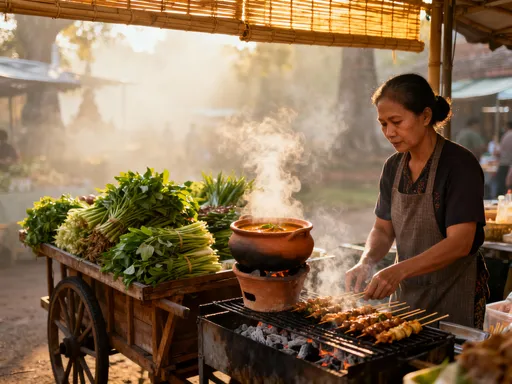
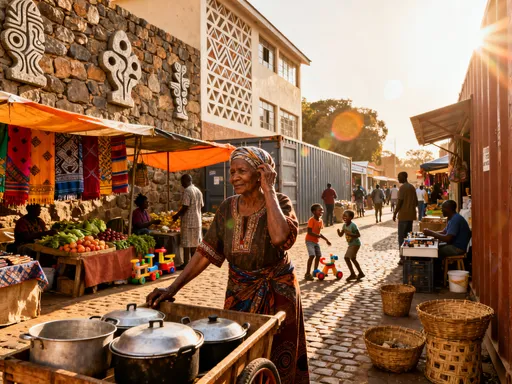
To truly understand urban Bali, one must experience its everyday rhythms—the morning bustle of a traditional market, the aroma of sate lilit grilling at a night warung, the laughter of families sharing meals on plastic stools under string lights. These moments define the essence of city life, where food, family, and community intertwine. Pasar Badung, Pasar Kreneng, and smaller neighborhood markets are more than shopping destinations—they are social hubs where relationships are nurtured, news is exchanged, and culture is sustained. Vendors greet regular customers by name, and generations of women haggle over prices with practiced ease, preserving customs passed down through decades.
The culinary landscape of urban Bali is equally rich and layered. Warungs, the backbone of local dining, serve everything from nasi campur to lawar and bebek betutu, often prepared using family recipes. Unlike the polished restaurants in tourist zones, these eateries prioritize flavor and affordability, offering a direct connection to Balinese home cooking. In Denpasar’s backstreets, it’s common to find a single dish specialty—like a stall dedicated only to babi guling (suckling pig) or one that serves only fresh jukut ares (banana stem soup). These food traditions are not static; they evolve with access to new ingredients and influences, yet they remain rooted in Balinese values of generosity and hospitality.
Daily life in the city also revolves around neighborhood activities—children playing in banjar courtyards, elders gathering for afternoon tea, and youth practicing dance routines in open pavilions. These spaces foster a sense of belonging that persists despite urban pressures. Even as new buildings rise and traffic increases, the banjar system ensures that community remains central. Residents organize collective clean-ups, fundraise for temple repairs, and support families during life events. This social fabric is what makes urban Bali resilient, allowing it to absorb change without losing its soul. For travelers willing to step off the beaten path, these everyday experiences offer a deeper, more meaningful connection to the island—one measured not in photos, but in shared meals, conversations, and quiet moments of presence.
The Future of Urban Bali: Balancing Growth and Tradition
As Bali continues to attract global attention, its cities face a critical challenge: how to grow sustainably without sacrificing cultural integrity or environmental health. Rapid development has brought economic benefits, but it has also strained infrastructure, increased waste, and threatened water resources. Denpasar and surrounding areas grapple with traffic congestion, plastic pollution, and rising land prices that push local communities to the margins. These pressures demand thoughtful urban planning that prioritizes long-term well-being over short-term gains. Fortunately, there are signs of progress. Local governments, in collaboration with NGOs and community groups, are implementing initiatives focused on waste reduction, green building standards, and heritage conservation.
One promising effort is the expansion of community-based waste management programs, where neighborhoods sort recyclables and convert organic waste into compost. Educational campaigns encourage residents to reduce single-use plastics, and some districts have introduced bans on plastic bags in markets. Water conservation is another priority, with projects promoting rainwater harvesting and efficient irrigation in both homes and public spaces. At the same time, urban planning policies are beginning to emphasize mixed-use development and walkable neighborhoods, reducing reliance on cars and fostering stronger community ties.
Equally important is the preservation of cultural heritage amid modernization. Efforts to document and protect traditional architecture, language, and rituals ensure that urban growth does not erase identity. Community-led movements advocate for inclusive development, ensuring that local voices shape the future of their neighborhoods. Travelers can support this balance by choosing to visit urban areas respectfully—shopping at local markets, dining at warungs, and engaging with cultural spaces in a mindful way. By recognizing cities as essential parts of Bali’s story, visitors contribute to a more sustainable and authentic tourism model. The future of urban Bali depends on this shared responsibility—between residents, planners, and guests—to honor the past while embracing thoughtful change.
Bali’s urban spaces are not just functional—they’re alive with stories, innovation, and resilience. By stepping beyond the resort zones, travelers gain a fuller, richer understanding of the island. These cities deserve recognition not as backdrops, but as dynamic centers of Balinese life. Exploring them isn’t just eye-opening—it’s essential.