You Won't Believe These Cultural Gems Hidden in Baguio
Baguio, the summer capital of the Philippines, is more than just cool air and pine trees. Nestled in the Cordilleras, it pulses with culture, history, and artistry that go far beyond its touristy surface. From indigenous galleries to colonial-era theaters, the city tells stories at every corner. I walked its streets with fresh eyes and discovered cultural venues that left me stunned—not because they’re flashy, but because they’re deeply authentic. This is travel with meaning, and you’re about to see why.
The Soul of the City: Why Baguio’s Culture Stands Out
Baguio occupies a rare place in the Philippine imagination—not just as a retreat from the tropical heat, but as a cultural crossroads shaped by elevation, education, and indigenous resilience. Perched over 1,500 meters above sea level in the heart of the Cordillera mountain range, the city has long been a sanctuary for creative minds, scholars, and ancestral traditions. Its identity is layered: a blend of Igorot heritage, American colonial planning, and a thriving academic community anchored by institutions like the University of the Philippines Baguio and Benguet State University. This confluence gives Baguio a cultural depth unmatched by other Philippine cities of similar size.
The indigenous peoples of the Cordilleras—primarily the Ibaloi, Kankanaey, and Bontoc—have inhabited these highlands for centuries, long before Baguio was officially established in 1900. Their presence is not a relic of the past but a living, breathing force in the city’s rhythms. You hear it in the chants during community gatherings, see it in the geometric patterns of woven fabrics, and feel it in the reverence for nature that permeates daily life. Unlike many urban centers in the Philippines where modernization has eroded traditional practices, Baguio has managed to preserve its roots while embracing change, creating a dynamic balance between heritage and progress.
Education plays a pivotal role in this cultural vitality. The concentration of universities and art schools has attracted generations of young thinkers, writers, and visual artists who draw inspiration from the region’s traditions. This academic energy fuels innovation while fostering respect for ancestral knowledge. Art collectives, poetry slams, and heritage workshops are not fringe activities—they are woven into the city’s public life. As a result, Baguio’s culture feels both grounded and forward-looking, offering visitors a rare opportunity to witness tradition not as a performance, but as a lived experience.
BenCab Museum: Where Art Meets Ancestry
Rising above the misty hills on Asin Road, the BenCab Museum is more than a gallery—it is a pilgrimage site for those seeking the soul of Filipino art. Founded by National Artist Benedicto Cabrera, affectionately known as BenCab, the museum is nestled in a quiet enclave surrounded by terraced gardens and panoramic views of the valley below. The journey to the museum itself is part of the experience: a winding drive through pine-scented air, past rice fields and rural homesteads, prepares visitors for the contemplative atmosphere that awaits. This is not a sterile, white-walled institution, but a living space where nature, memory, and creativity converge.
The museum’s collection is a profound dialogue between contemporary expression and indigenous identity. BenCab’s own works—bold, emotive paintings that explore Filipino identity, sensuality, and spirituality—are displayed alongside traditional Cordilleran artifacts, including ancestral bulul figures, intricately carved wooden panels, and ceremonial textiles. What makes the experience unique is how these elements are not separated into distinct categories, but intentionally intertwined. A modern oil painting might hang beside a centuries-old Ifugao rice god, inviting viewers to see the continuity between past and present, between the sacred and the personal.
Beyond the main gallery, the museum grounds include the *Sabel Garden*, dedicated to the late folk artist Remedios Rivera, known as Sabel, whose raw, expressive works brought visibility to marginalized communities. Her sculptures and paintings, characterized by haunting faces and layered textures, are displayed in an open-air setting that feels both intimate and reverent. The museum also hosts rotating exhibitions by emerging Cordilleran artists, ensuring that the space remains a platform for new voices rooted in tradition. Educational programs, artist residencies, and cultural talks further reinforce its role as a center for artistic and ancestral dialogue.
What truly sets BenCab apart is its atmosphere of quiet reverence. Visitors often speak of a sense of peace, even introspection, as they move through the galleries and gardens. This is not accidental—the museum was designed to be a sanctuary, a place where art is not merely observed but felt. For families, especially women who value meaningful experiences over commercial attractions, BenCab offers a rare opportunity to connect with Filipino creativity in its most authentic form. It reminds us that art is not separate from life, but an essential expression of who we are and where we come from.
Tam-awan Village: A Living Canvas of Igorot Life
Tucked away in the Amparo Subdivision, Tam-awan Village is not a reconstructed tourist village, but a vibrant cultural hub where tradition is lived, taught, and celebrated every day. Meaning 'a place to view' or 'a vantage point' in the Kankanaey language, Tam-awan lives up to its name—offering visitors a clear, respectful view into the world of the Cordilleran people. The site was originally a traditional Ifugao-Bontoc homestead, carefully restored and expanded into a community space where local artists reside, create, and share their knowledge with visitors. Here, culture is not frozen in time; it is dynamic, evolving, and deeply communal.
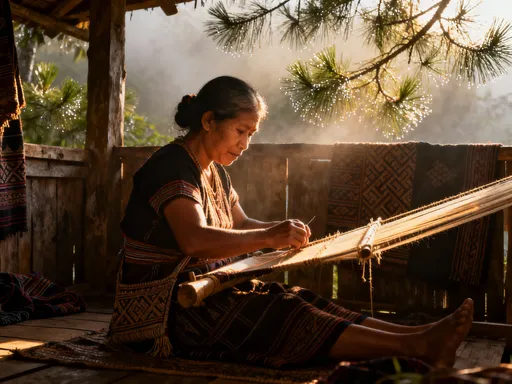
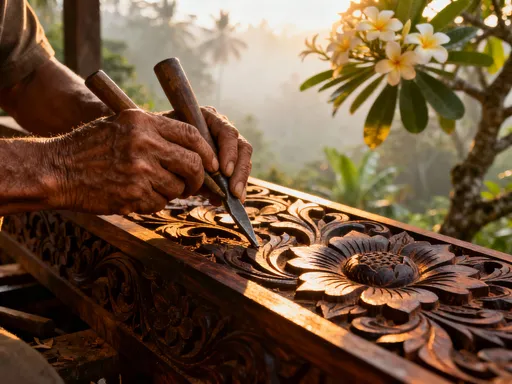
Walking through Tam-awan feels like stepping into a living canvas. Wooden *bale* (traditional huts) with cogon grass roofs dot the landscape, each serving as a studio or workshop. Inside, artisans carve wood with meticulous precision, their hands shaping intricate motifs that tell stories of creation, harvest, and ancestral spirits. Nearby, weavers sit at backstrap looms, their fingers flying as they produce *inabel* textiles—handwoven fabrics distinguished by geometric patterns and natural dyes. These are not mass-produced souvenirs, but works of patience and meaning, each piece carrying the signature of its maker and the weight of generations.
One of the most powerful aspects of Tam-awan is its openness. Unlike some cultural sites that display tradition behind glass, Tam-awan invites participation. Visitors can join short workshops in weaving, wood carving, or even traditional cooking. Children and adults alike can try their hand at pounding rice with wooden mortars, a task that quickly reveals the strength and rhythm required in daily Cordilleran life. Cultural performances—featuring gong ensembles, indigenous dances, and storytelling—are held regularly, often led by elders who pass down oral histories with pride and care.
What makes Tam-awan truly special is the presence of the artists themselves. Many are members of local indigenous communities who have chosen to live and work here, not for tourism’s sake, but to preserve and sustain their heritage. Their homes are nearby, their children play in the open spaces, and their livelihoods depend on the continuation of these crafts. When visitors purchase a woven bag or a carved spoon, they are not just buying a souvenir—they are supporting a family, a tradition, and a way of life. For the discerning traveler, especially those who value authenticity and ethical engagement, Tam-awan offers a model of cultural tourism that is respectful, reciprocal, and deeply rewarding.
Baguio Museum: Small Space, Big Stories
In the heart of the city, on a quiet street lined with acacia trees, stands the Baguio Museum—a modest building with an outsized historical presence. Housed in the former summer residence of American Governor-General Leonard Wood, the museum occupies a structure that itself tells a layered story. Built in the early 20th century, the wooden bungalow reflects the American colonial architectural style, with wide verandas, high ceilings, and large windows designed to capture the cool mountain breeze. Today, it serves as a curated archive of Baguio’s complex past, offering visitors a chance to explore the city’s evolution from indigenous territory to colonial outpost to modern cultural capital.
The museum’s exhibits are carefully organized to reflect different eras of Baguio’s history. One room displays pre-colonial artifacts unearthed in the region, including stone tools, earthenware, and fragments of ancient jewelry, offering tangible proof of the long-standing presence of the Ibaloi people. Another section is dedicated to the Spanish colonial period, though their influence in the Cordilleras was limited compared to other parts of the Philippines. Documents, maps, and religious items illustrate the indirect reach of Spanish missionaries and traders, but also highlight the region’s successful resistance to full colonization.
The American colonial period is given significant attention, not only because of Wood’s residence but because this era shaped Baguio’s modern layout and institutions. Photographs, furniture, and personal belongings from the early 1900s depict the transformation of the area into a planned city with parks, schools, and government buildings. While this development brought infrastructure, it also involved the displacement of indigenous communities and the imposition of foreign systems. The museum does not shy away from these complexities; interpretive panels provide context, encouraging visitors to reflect on both progress and loss.
One of the most moving sections of the museum is dedicated to World War II. Baguio was heavily affected by the conflict, serving as a battleground during the liberation of the Philippines in 1945. Personal accounts, military relics, and photographs document the destruction and resilience of the city’s people. A replica of a wartime radio station and a collection of survival letters add emotional depth, reminding visitors that history is not just about dates and events, but about human experiences. For families visiting with older children or grandchildren, the museum offers a thoughtful, age-appropriate way to discuss the past—not with fear, but with understanding and respect.
Session Road & The Heritage District: Culture in the City’s Heart
No visit to Baguio is complete without a walk along Session Road, the city’s historic main thoroughfare and the pulse of its cultural and commercial life. Originally laid out during the American colonial period as the site of the Philippine Commission’s summer sessions, the road has evolved into a bustling pedestrian-friendly zone lined with shops, cafes, and cultural landmarks. But beyond the souvenir stalls and snack vendors lies a deeper story—one of urban identity, preservation, and community pride. The Heritage District surrounding Session Road is a testament to Baguio’s commitment to maintaining its architectural and cultural character amidst modernization.
Among the most iconic structures is the Baguio Cathedral, perched on a hill overlooking the city. Its distinctive twin spires and red-tiled roof make it a visual landmark, but its significance goes beyond aesthetics. Built in the 1920s and rebuilt after wartime destruction, the cathedral stands as a symbol of endurance and faith. Inside, the quiet sanctuary offers a space for reflection, while the surrounding plaza often hosts small cultural events, from choir performances to artisan pop-ups. For many visitors, especially those who value spiritual tranquility, the cathedral provides a moment of peace amid the city’s energy.
Another key site is the Capitol Theater, a restored Art Deco building that once served as a premier entertainment venue in the 1930s. After decades of neglect, it was rehabilitated as part of a citywide heritage initiative, now functioning as a cultural center for performances, exhibitions, and community gatherings. Its façade, with geometric patterns and native motifs, blends modernist design with indigenous symbolism—a fitting metaphor for Baguio’s cultural identity. Nearby, smaller galleries and artist-run spaces showcase the work of local painters, sculptors, and photographers, proving that creativity thrives even in the busiest parts of the city.
Urban preservation efforts have not been without challenges. As tourism grows, so does pressure to modernize with high-rise buildings and chain stores. Yet Baguio has taken deliberate steps to protect its character, including height restrictions, heritage zoning, and public consultations with indigenous leaders. These measures ensure that development does not come at the cost of cultural erasure. For travelers who care about sustainable tourism, walking through the Heritage District is a lesson in how cities can grow without losing their soul. Every restored building, every preserved tree, every hand-painted sign tells a story of care and continuity.
The Cordillera Craft Scene: From Markets to Maker Spaces
The heartbeat of Baguio’s cultural economy can be felt most vividly in its markets, where the artistry of the Cordilleras is on full, vibrant display. The weekend Tam-awan Art Sunday market and the permanent stalls at the Baguio City Market are more than shopping destinations—they are living galleries of indigenous craftsmanship. Here, visitors encounter *inabel* weavers from Abra and Mountain Province, beadwork artisans from Kalinga, and woodcarvers from Sagada, each offering products that are not only beautiful but deeply meaningful. Unlike factory-made souvenirs, these items carry the imprint of hand, heart, and heritage.
One of the most sought-after crafts is the *inabel* textile, a handwoven fabric known for its durability and intricate geometric patterns. Traditionally made by women using backstrap looms, each piece can take weeks or even months to complete. The designs are not arbitrary; they often represent elements of nature, spiritual beliefs, or clan identities. Supporting these weavers means supporting fair trade cooperatives that ensure artisans are paid equitably and work in safe conditions. Travelers are encouraged to look for labels or ask vendors about the origin of the products—genuine *inabel* will have slight variations, a sign of handmade authenticity.
Beadwork is another standout, particularly the elaborate necklaces and headdresses made by Kalinga and Bontoc women. Using seeds, shells, and recycled materials, artisans create pieces that are both wearable art and cultural statements. Some designs are reserved for ceremonial use, while others are adapted for everyday wear, allowing tradition to remain relevant in modern life. Wood carving, too, remains a vital craft, with artists transforming narra and molave wood into sculptures, utensils, and furniture adorned with ancestral motifs.
For those who want to go beyond shopping, several maker spaces and cooperatives offer immersive experiences. The Benguet Cooperative and the Cordillera Women’s Education and Economic Development Outreach (CWEDO) provide workshops where visitors can learn basic weaving or beadwork techniques while hearing directly from the artisans. These interactions foster deeper appreciation and connection, transforming a simple purchase into a meaningful exchange. For the thoughtful traveler—especially women who value craftsmanship, sustainability, and community impact—these experiences offer the most authentic souvenirs of all: knowledge, respect, and lasting memories.
Why These Spaces Matter: Cultural Tourism That Transforms
Visiting Baguio’s cultural sites is not merely an act of sightseeing—it is an act of participation in a living heritage. Each museum, village, market, and restored building represents a choice: the choice to remember, to honor, and to pass on. In an age where mass tourism often reduces culture to commodities, Baguio offers a different model—one rooted in respect, reciprocity, and responsibility. When travelers engage with authentic traditions, they contribute to the economic and cultural sustainability of indigenous communities. They help ensure that young people see value in learning ancestral crafts, that elders feel their knowledge is honored, and that future generations inherit a rich, unbroken legacy.
Cultural tourism, when done thoughtfully, becomes a form of empowerment. It allows communities to share their stories on their own terms, rather than through the lens of outsiders. It fosters pride, not performance. For the 30- to 55-year-old woman who travels not just to escape, but to connect—with history, with art, with people—Baguio offers a rare depth of experience. It invites reflection on what it means to preserve identity in a changing world, and how each of us can be stewards of cultural memory.
As you walk through BenCab’s serene galleries, join a weaving circle in Tam-awan, or stand in quiet awe before a century-old bulul, you are not just observing culture—you are helping sustain it. The souvenirs you carry home are not just objects, but vessels of meaning. And the most powerful souvenir of all is the quiet transformation within: a deeper understanding of resilience, beauty, and the enduring strength of tradition. Baguio is not just a destination. It is a gateway to the heart of the Philippines—and to the best parts of ourselves.