You Won’t Believe What I Ate in Kyoto
Stepping into Kyoto is like entering a living postcard—centuries-old temples, quiet bamboo groves, and streets that whisper history. But what truly took my breath away wasn’t the scenery—it was the food. From tucked-away ramen counters to kaiseki meals that feel like art, Kyoto’s specialty dining is an immersive journey into Japanese soul. This isn’t just eating; it’s storytelling through taste. Each dish carries the weight of tradition, the rhythm of the seasons, and the quiet pride of generations who have perfected their craft. For travelers seeking more than postcard views, Kyoto offers a deeper connection—one that begins on the plate and ends in the heart.
The Soul of Kyoto: Where Food Meets Tradition
Kyoto’s culinary identity is rooted in centuries of refinement, shaped by imperial court life, Zen Buddhist practices, and a profound respect for nature’s cycles. Unlike the bustling energy of Tokyo or the port-city flavors of Osaka, Kyoto’s cuisine speaks in whispers rather than shouts. Its flavors are subtle, its presentation precise, and its ingredients deeply tied to the changing seasons. This is a city where food is not merely sustenance but a form of meditation, a way of honoring time and place.
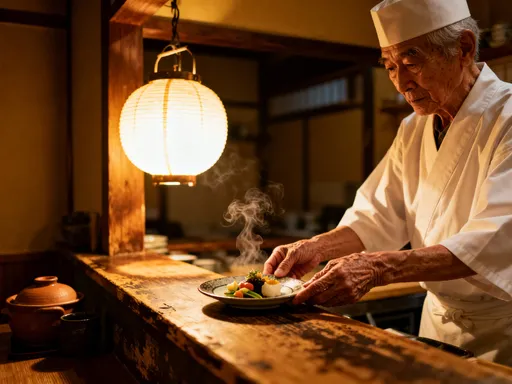
At the heart of this philosophy is kaiseki, the pinnacle of Japanese fine dining. Originating as a simple meal served during tea ceremonies, kaiseki evolved into a multi-course experience that balances taste, texture, color, and seasonality. Each dish is carefully composed, often using ingredients that are only available for a few weeks each year. The meal unfolds like a poem—deliberate, rhythmic, and deeply intentional. To dine on kaiseki is not just to eat, but to witness the harmony between human craftsmanship and the natural world.
Geographically, Kyoto’s inland location has also shaped its cuisine. Without direct access to the sea, early cooks turned to preservation techniques like pickling, fermenting, and drying. This gave rise to a rich tradition of tsukemono (Japanese pickles) and miso-based dishes that remain central to the local palate. At the same time, the surrounding mountains and fertile river valleys provide an abundance of seasonal vegetables, wild herbs, and freshwater fish. These ingredients form the backbone of Kyoto’s home cooking and temple cuisine alike.
Understanding this connection between land, history, and food transforms the act of dining into a cultural encounter. It invites travelers to slow down, to savor not just the flavors but the stories behind them. In Kyoto, every meal becomes an opportunity to engage with tradition, to taste the quiet dedication that has been passed down through generations.
Beyond Sushi: Exploring Kyoto’s Unique Food Culture
While sushi dominates global perceptions of Japanese cuisine, Kyoto offers a quieter, more introspective culinary experience. Here, the focus is not on raw fish but on balance, seasonality, and the art of restraint. One of the most authentic expressions of this is obanzai, a style of home cooking that has been passed down through Kyoto families for generations. These small, flavorful dishes are made with local ingredients—especially kyo-yasai, a group of over 50 traditional vegetable varieties unique to the region.
Kyo-yasai includes heirloom varieties like kintoki carrots, with their deep red skin and sweet flavor, and mizuna, a peppery green often used in soups and salads. These vegetables are grown using methods that have changed little over centuries, preserving both flavor and cultural heritage. Obanzai meals typically feature a mix of simmered, grilled, and pickled dishes, served in small portions that encourage variety and mindfulness. To eat obanzai is to experience the rhythm of Kyoto life—modest, seasonal, and deeply rooted in place.
Another defining element of Kyoto’s food culture is yudofu, or simmered tofu. This simple dish is most famously served in the temple district of Nanzen-ji, where it has been prepared for centuries by Buddhist monks. Made with silken tofu gently poached in a light kombu broth, yudofu is served with a variety of dipping sauces and pickles. Its minimalism reflects Zen principles—purity, clarity, and presence. Though it may seem plain at first glance, the quality of the tofu and the care in preparation make it a revelation for those willing to appreciate subtlety.
Fermentation also plays a vital role in Kyoto’s culinary identity. The city is renowned for its high-quality miso, soy sauce, and sake, many of which are produced in nearby areas like Ninnaji and Fushimi. These ingredients are not afterthoughts but foundational elements that shape the flavor of countless dishes. A simple bowl of rice or miso soup can carry the depth of years of craftsmanship. For travelers, seeking out these fermented staples—whether at a market stall or a small family-run shop—offers a direct link to Kyoto’s culinary soul.
Hidden Gems: Intimate Dining Experiences Off the Beaten Path
Some of Kyoto’s most memorable meals happen in places you might easily walk past—a six-seat counter tucked behind an unmarked door, a family-run eatery in a quiet residential alley, or a tiny storefront with no sign but a single lantern glowing at dusk. These hidden gems offer an intimacy and authenticity that larger, more commercial restaurants often lack. They are the kind of places where the chef knows your name by the second visit and where the menu changes daily based on what’s fresh at the market.
Locals refer to some of these spots as deramise—unlisted restaurants that don’t appear in guidebooks or online directories. Access is often through word of mouth, personal connections, or careful observation. While it’s not always possible to name specific establishments—many are too small or private to promote widely—travelers can still learn how to discover them responsibly. The key is to move slowly, to observe neighborhood rhythms, and to be open to chance encounters.
One way to find these intimate dining experiences is to explore residential areas like Gion, Arashiyama, or the streets around Daitoku-ji Temple. Look for small wooden doors, handwritten menus in windows, or the sound of sizzling from an open kitchen. Many of these places operate on a first-come, first-served basis, though some may require reservations made in person the day before. It’s also common for signs to be in Japanese only, so having a basic understanding of food terms or traveling with a translation app can be helpful.
Izakayas—Japanese-style pubs—also offer a window into local life, especially those without flashy signs or English menus. These casual spots are where office workers unwind and neighbors gather for small plates and drinks. Ordering a variety of dishes to share, such as grilled yakitori, simmered daikon, or fresh sashimi, allows for a broad taste of the season. The atmosphere is warm and unpretentious, and the food is often made with the same care as in high-end restaurants, just in a more relaxed setting.
Respecting these spaces is just as important as finding them. Avoid treating them as tourist attractions. Speak softly, follow local customs—such as not tipping, which is not practiced in Japan—and express gratitude with a simple arigatou gozaimasu when leaving. When approached with humility and curiosity, these hidden dining experiences can become the most meaningful moments of a trip.
Kaiseki Uncovered: A Step-by-Step Immersion
A kaiseki meal is one of the most refined culinary experiences in the world, and Kyoto is its spiritual home. More than just dinner, kaiseki is a choreographed journey through taste, texture, temperature, and seasonality. Each course is designed to reflect the current time of year, using ingredients at their peak. A spring meal might feature bamboo shoots, takenoko, and cherry blossom-infused sweets, while an autumn dinner could include matsutake mushrooms and persimmon-based dishes.
The structure of a kaiseki meal typically follows a set progression. It begins with sakizuke, a small appetizer served with a welcome drink, followed by hassun, a seasonal platter that sets the tone for the evening. This is followed by a series of small dishes—nimono (simmered), yakimono (grilled), and sunomono (vinegared)—each showcasing a different cooking technique. The meal often includes a soup course, a rice dish, and concludes with a small dessert, sometimes shaped like a maple leaf in fall or a cherry blossom in spring.
What makes kaiseki truly special is not just the food but the entire experience. The tableware is carefully chosen to complement each dish—porcelain from Kiyomizu, lacquerware from Wakasa, or rustic pottery from nearby Shigaraki. The arrangement of the food on the plate is an art form in itself, often resembling a miniature landscape. Even the serving order is intentional, designed to guide the diner through a balanced sensory journey.
For first-time visitors, choosing a kaiseki restaurant can feel daunting. It’s best to start with mid-range options that offer English menus or have staff who speak some English. Many ryokan (traditional inns) include kaiseki as part of an overnight stay, providing a more immersive and comfortable introduction. Reservations are almost always required, often weeks in advance for popular establishments. Dress is typically smart casual—avoid shorts or flip-flops, and consider bringing socks, as you may be asked to remove your shoes.
Basic etiquette enhances the experience. Wait to be seated, use chopsticks properly, and avoid mixing soy sauce with rice or dipping entire pieces of food unnecessarily. It’s polite to try a little of everything, even if you’re unfamiliar with an ingredient. Most importantly, eat slowly and mindfully, allowing each course to unfold. Kaiseki is not a meal to rush through—it’s a moment to pause, reflect, and appreciate the artistry on the plate.
Market Magic: Nishiki Market and Local Food Hubs
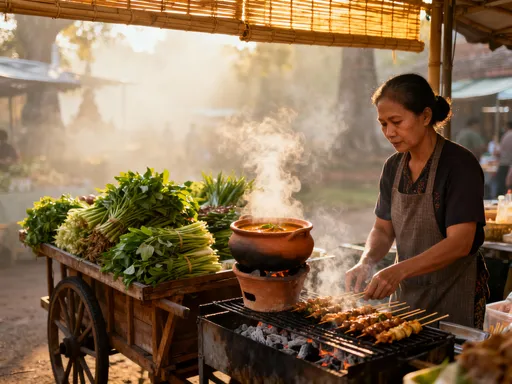
No culinary journey through Kyoto is complete without a visit to Nishiki Market, a five-block-long arcade affectionately known as “Kyoto’s kitchen.” With over 100 stalls lining the narrow covered street, Nishiki offers a sensory feast of colors, aromas, and textures. From glistening fish to jars of golden pickles, from fresh mochi to bubbling pots of oden, the market is a living showcase of Kyoto’s food culture.
Walking through Nishiki is an experience in itself. The best approach is to come hungry and go slowly, sampling as you go. Try tako tamago—baby octopus stuffed with a quail egg—crispy tempura, or warm matcha-flavored mochi fresh from the steamer. Look for stalls selling yuba, the delicate skin that forms on top of simmering soy milk, a Kyoto specialty often served fresh or dried. Don’t miss the pickled vegetables—kyo-takuan (yellow daikon) and shibazuke (purple cucumber and eggplant)—which make excellent souvenirs or picnic items.
While Nishiki is popular with tourists, it remains a vital part of daily life for locals. To eat like a resident, visit in the morning when the market is less crowded and the ingredients are at their freshest. Many vendors are cash-only, so carrying yen is essential. Be mindful of space—stay to the right, avoid blocking aisles, and don’t take long photos that obstruct the flow. Some stalls offer small seating areas, but standing and eating while walking is common and accepted.
For a quieter alternative, consider visiting Fushimi Market or the morning vegetable stands near temples like Kiyomizu-dera or Shoren-in. These smaller markets offer a more relaxed pace and often feature produce grown by local farmers. You’ll find seasonal fruits, handmade tofu, and freshly baked confections without the crowds. These spots are ideal for travelers seeking authenticity and a slower rhythm.
Nishiki also offers a chance to learn about ingredients you may encounter in restaurants. Watching a vendor slice dried fish, explain the difference between types of miso, or demonstrate how to prepare yudofu can deepen your appreciation for Kyoto’s cuisine. Many stalls welcome questions, especially if you show genuine interest. Even if you don’t buy, a polite smile and a thank you go a long way.
The Art of Tea and Sweets: A Match Made in Kyoto
Kyoto is the heart of Japanese tea culture, a city where the ritual of tea is woven into daily life and spiritual practice. The vibrant green powder known as matcha is not just a drink here—it’s a symbol of craftsmanship, mindfulness, and seasonal awareness. Grown in shaded fields and stone-ground to a fine consistency, Kyoto’s matcha is among the finest in Japan, particularly from Uji, a historic tea-producing region just south of the city.
The tradition of wagashi—traditional Japanese sweets—complements tea perfectly. These delicate confections are made from ingredients like red bean paste, mochi, and agar, and are crafted to reflect the seasons. A spring wagashi might be shaped like a cherry blossom and tinted pale pink, while an autumn version could resemble a maple leaf in deep red and gold. Eating wagashi is as much a visual experience as a gustatory one, inviting diners to appreciate beauty in transience.
Participating in a tea ceremony is one of the most intimate ways to connect with Kyoto’s culture. In a quiet tatami room, a host performs each step with precision—from warming the bowl to whisking the tea—turning preparation into a meditative act. Guests are invited to observe, receive the bowl with both hands, and savor the bitter, umami-rich drink in silence. The experience emphasizes presence, respect, and harmony.
For travelers, several tea houses in Kyoto offer accessible ceremonies, some with English explanations. Camellia Flower Tea Ceremony in the Gion district and En Tea House near Kiyomizu-dera are known for their welcoming atmosphere and attention to detail. No special knowledge is required—just an open mind and a willingness to follow simple instructions.
When shopping for matcha, it’s important to distinguish between ceremonial-grade and culinary-grade powder. The former is meant for drinking and has a smoother, more delicate flavor, while the latter is used in baking or cooking. Avoid brightly colored souvenirs that may contain artificial additives. Instead, look for small, reputable shops in Nishiki or Uji that sell fresh, locally sourced tea. A small tin of high-quality matcha makes a meaningful and authentic keepsake.
Planning Your Culinary Journey: Practical Tips for Food-Focused Travelers
Building a food-focused itinerary in Kyoto requires a balance of planning and spontaneity. While reservations are essential for kaiseki meals and popular restaurants, some of the best experiences come from wandering into a small shop or accepting a local’s recommendation. The key is to prepare enough to avoid disappointment but remain open to unexpected discoveries.
Start by researching seasonal specialties. Kyoto’s cuisine changes with the calendar, so aligning your visit with certain times of year can enhance your experience. Spring brings cherry blossom-themed dishes and takenoko (bamboo shoots), summer features cold soba and ayu (sweetfish), autumn offers matsutake mushrooms and chestnuts, and winter is perfect for yudofu and hearty stews. Checking restaurant websites or local food blogs can help identify what’s in season during your stay.
Use tools like Tabelog, Japan’s most trusted restaurant review site, or Google Maps to find highly rated but less touristy spots. Tabelog scores above 3.5 are generally excellent, and reading Japanese reviews—even with translation—can reveal authentic insights. Look for places with long lines of locals, which is often a good sign of quality. For vegetarians or those with dietary restrictions, Kyoto offers many options, especially in temple cuisine and obanzai restaurants, but it’s helpful to carry a dietary card explaining your needs in Japanese.
Language barriers can be minimized with preparation. Download offline translation apps, learn a few key phrases like “sumimasen” (excuse me) and “omakase” (chef’s choice), and carry a small notebook for drawing or showing pictures. Many smaller restaurants don’t have English menus, but pointing to dishes others are eating or using a photo menu app can bridge the gap.
Budget considerations are also important. While kaiseki can be expensive, there are plenty of affordable options—street food at Nishiki, set meals at local eateries, or bento boxes from department stores. Convenience stores in Japan also offer surprisingly high-quality onigiri and salads. Eating at lunchtime often provides access to special “teishoku” (set meal) discounts at higher-end restaurants.
Finally, pace yourself. With so much to taste, it’s easy to overeat or rush from one meal to the next. Allow time between meals to walk through gardens, visit temples, or simply sit in a quiet café. The best culinary journeys are not measured in dishes consumed but in moments of connection—between people, places, and flavors that linger long after the last bite.
Conclusion: Tasting the Spirit of Kyoto
Kyoto’s true essence isn’t just seen—it’s tasted. Every bite tells a story of season, craft, and quiet dedication. From the first sip of matcha in a sunlit tea house to the final bite of a wagashi shaped like a falling leaf, the city invites travelers to engage with its culture in the most intimate way possible: through the senses. Specialty dining here is not a side attraction but a central pathway to understanding Kyoto’s soul.
By embracing food as a form of cultural exploration, travelers move beyond sightseeing into meaningful connection. They learn to read the seasons on a plate, to appreciate the years of training behind a single dish, and to find warmth in the quiet gestures of a chef or shopkeeper. In Kyoto, the table becomes a place of communion—not just with food, but with history, nature, and the people who keep tradition alive.
Let your journey be guided not just by maps, but by menus. Seek out the small stalls, the hidden counters, the family recipes passed down through generations. Approach each meal with curiosity and gratitude. Because in Kyoto, the most unforgettable moments are often found not in grand monuments, but in the simple act of sharing a meal made with care. The table, after all, is the warmest temple of all.