What Happens When You Hit the Road to Quebec’s Soul?
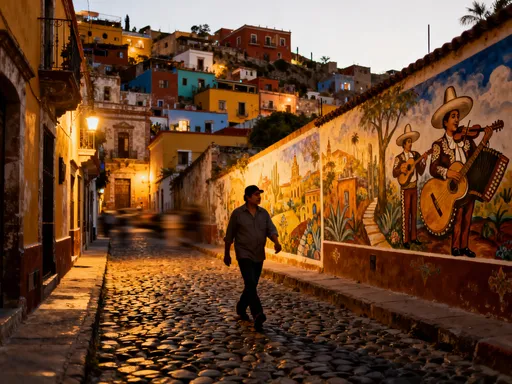
Driving into Quebec feels like stepping into a living postcard—cobbled streets, church spires, and the hum of French echoing through historic air. I went to explore its cultural heart, not just check boxes. What I found were venues where tradition breathes: theaters, museums, and workshops alive with centuries-old stories. This isn’t just travel—it’s connection. And on four wheels, every turn leads to something deeper, more real. Let me show you what I discovered.
The Call of the Open Road: Why Quebec Beckons Road-Trippers
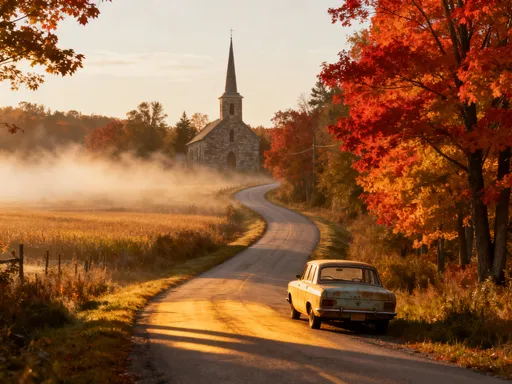
Quebec occupies a rare space in the North American imagination—a province where European elegance meets Canadian openness, all wrapped in the rhythm of the French language. Unlike other destinations where culture is packaged for tourists, Quebec invites you to wander, to pause, to pull over at a roadside market selling hand-pressed apple cider or a roadside chapel where the bells still ring on Sundays. The true essence of this province reveals itself not through schedules, but through serendipity. That is why the road trip is not merely a mode of transport here—it is a philosophy of travel.
Self-driving offers an intimacy that guided tours and public transit cannot replicate. When you are behind the wheel, you control the pace, the stops, the detours. You can linger in a sunlit square in Trois-Rivières, photograph a mural in Sherbrooke, or pause at a rural library hosting a local poetry reading. Public transit in Quebec, while functional between major cities, often limits access to smaller cultural centers, especially in the Eastern Townships or along the Gaspé Peninsula. By contrast, having a car allows spontaneous immersion in moments that define the region’s soul.
Two routes, in particular, offer transformative journeys through Quebec’s cultural landscape. Route 132 traces the southern shore of the St. Lawrence River, connecting centuries-old villages, maritime heritage sites, and scenic overlooks where the river stretches like a silver ribbon into the horizon. It is one of the longest regional highways in Canada and serves as a cultural artery, linking communities that have preserved their traditions through generations. Along this route, travelers encounter Acadian influences in places like Rivière-du-Loup and Rimouski, where bilingual signage reflects a unique linguistic blend and community festivals celebrate maritime music and cuisine.
Meanwhile, the Laurentian Highway—Route 117—leads northwest from Montreal into a region of forests, lakes, and artistic retreats. Once a path for fur traders, it now guides visitors to cultural enclaves like Saint-Sauveur and Mont-Tremblant, where galleries showcase Quebecois painters and summer theaters present adaptations of classic French literature. These roads do more than connect points on a map; they frame Quebec as a living gallery, each kilometer offering a new perspective on a culture shaped by history, language, and landscape.
Quebec City: Where Time Stands Still (But Culture Moves Fast)
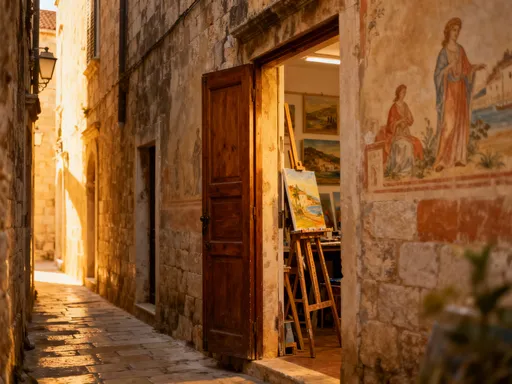
No visit to Quebec’s cultural heart is complete without time in its capital, a city where cobblestone streets and fortified walls have earned it UNESCO World Heritage status. Old Quebec, perched above the St. Lawrence, feels like a fragment of France transplanted across the Atlantic. But this is not a museum frozen in time—culture here pulses with energy. Street performers sing chansons near Place Royale, artisans demonstrate copper engraving in tucked-away boutiques, and the scent of freshly baked tourtière drifts from family-run bistros. Driving into the city allows visitors to approach this historic core on their own terms, balancing structured sightseeing with quiet moments of discovery.
Key cultural institutions in Quebec City offer deep dives into the province’s layered identity. The Musée de la Civilisation, located just steps from the Old Port, presents rotating exhibitions that explore Indigenous heritage, Francophone identity, and social evolution. One recent exhibit examined the role of women in Quebec’s Quiet Revolution, using personal letters, photographs, and audio recordings to humanize a pivotal era. The museum’s layout encourages reflection, with dimly lit corridors giving way to bright interactive stations where visitors can record their own stories.
Equally compelling is the Théâtre Petit-Champlain, North America’s smallest covered theater, nestled in the lower town. This intimate venue hosts performances ranging from solo recitals to adaptations of Molière, all in French. Attending a show here is not just entertainment—it is participation in a living tradition. The acoustics, the proximity to the performers, the shared silence of the audience—all contribute to an experience that feels both timeless and immediate.
For those interested in military and national history, the Plains of Abraham offer guided walks and multimedia exhibits detailing the 1759 battle that changed the course of North American history. While the site is often crowded during peak season, driving allows strategic timing: arriving early in the morning or later in the afternoon avoids the tour groups and provides space for quiet contemplation. Parking near the Citadelle is convenient, though reservations are recommended during summer months and festival periods. Using park-and-walk strategies—parking just outside the walls and entering through quieter gates—can enhance access while reducing stress.
From Capital to Countryside: The Hidden Cultural Hubs Beyond the Guidebooks
While Quebec City dazzles, some of the province’s most meaningful cultural experiences unfold far from the tourist trail. A short drive northeast along Route 138 leads to the Charlevoix region, a UNESCO Biosphere Reserve where art and nature intertwine. The village of Baie-Saint-Paul, often called the cradle of Quebec’s visual arts, has drawn painters since the early 20th century. Its connection to the Group of Seven is well documented—several members visited and sketched here, captivated by the dramatic river valleys and changing light.
Today, Baie-Saint-Paul remains a hub for artists, with galleries lining rue Saint-Jean-Baptiste and open studios inviting visitors to watch sculptors shape stone or painters layer oils. The annual Festival d’Art de Charlevoix transforms the village each summer, with installations in public spaces and performances in converted barns. But even outside festival season, the cultural pulse is strong. At the Centre d’art de Baie-Saint-Paul, workshops allow guests to try printmaking or ceramic glazing under the guidance of local artisans. These hands-on experiences create lasting memories far more vivid than any photograph.
Beyond Baie-Saint-Paul, smaller villages like Saint-Irénée and Clermont reveal quieter but equally rich traditions. In Saint-Irénée, the historic Manoir Hovey hosts literary readings and classical music evenings, drawing audiences who come as much for the ambiance as the performance. In Clermont, a community cultural center offers weekly demonstrations of traditional boat-building, a craft tied to the region’s maritime past. These venues are rarely mentioned in mainstream travel guides, yet they represent the authentic continuity of Quebec’s heritage.
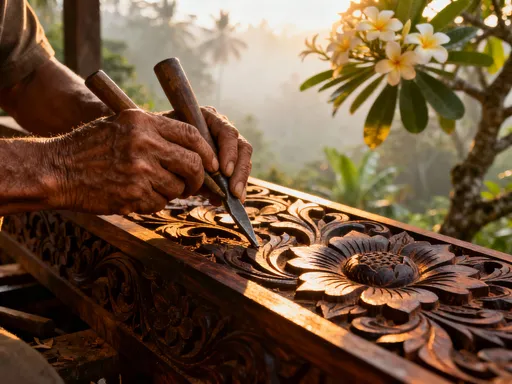
What makes these off-the-beaten-path locations so powerful is the depth of human connection they enable. In a city museum, interaction is often one-way: you observe, you read, you move on. But in a rural atelier or a village hall, conversation flows naturally. An artist might explain her use of natural pigments. A woodcarver might invite you to feel the grain of a cedar plank. These exchanges—simple, unscripted, genuine—are the heart of cultural travel. They remind us that tradition is not preserved in glass cases but lived in daily practice.
The Language of Culture: Navigating French-Speaking Spaces with Respect and Curiosity
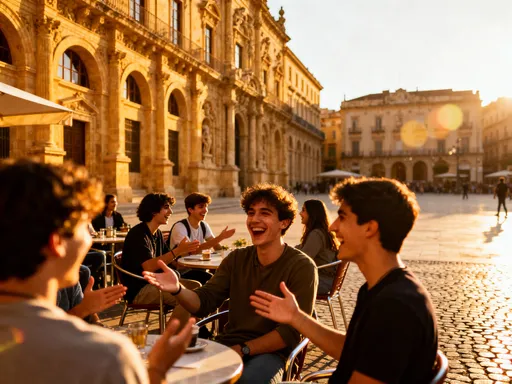
To travel in Quebec is to engage with a linguistic landscape unlike any other in North America. French is not just the official language; it is a source of pride, identity, and cultural resilience. For visitors, this presents both a challenge and an opportunity. While many Quebecers speak English, especially in tourist areas, making an effort to use French—even basic phrases—opens doors. It signals respect, curiosity, and a willingness to step into the local world rather than expect it to accommodate you.
One afternoon in the town of Trois-Pistoles, I stumbled upon a poetry reading in a converted schoolhouse. The event was conducted entirely in French, and while I caught only fragments of meaning, the rhythm and emotion were unmistakable. The audience, mostly elderly residents, listened with deep attention, some mouthing the words along with the reader. Afterward, a woman approached me and said, “You stayed. That means something.” That moment stayed with me—not because I understood every line, but because I had shown up, present and willing to listen.
Similar experiences unfolded in rural community halls, where *veillées*—traditional folk evenings—still take place. These gatherings, often held in winter, feature storytelling, fiddle music, and communal singing. They are not performances for tourists but social rituals rooted in habitant culture. Yet, when visitors arrive with humility and a smile, they are often welcomed. One host in Sainte-Flavie explained, “We don’t expect you to know the songs. Just clap when others do. That’s how you join.”
For travelers, navigating these spaces begins with simple etiquette. Greeting shopkeepers with “Bonjour” (not “Hello”) is expected. Using “s’il vous plaît” and “merci” consistently makes a difference. Carrying a small phrasebook that includes cultural expressions—like “C’est de famille” (It’s a family tradition) or “On fête la Saint-Jean” (We celebrate St. John’s Day)—can spark conversations. Technology helps, but overreliance on translation apps can create distance. A mispronounced word offered sincerely often builds more connection than perfect grammar delivered coldly.
Seasons on the Road: How Timing Shapes Your Cultural Experience
Quebec’s cultural rhythm shifts dramatically with the seasons, and choosing when to travel profoundly affects the journey. Summer, from June to early September, offers long daylight hours, open-air festivals, and easy road access. This is the peak season for events like the Festival d’été de Québec, a ten-day celebration featuring international and local musicians in historic venues across the city. Outdoor markets, river cruises, and garden tours thrive in the warmth, making it ideal for families and first-time visitors.
Yet winter, from December to March, reveals a different kind of magic. The Quebec Winter Carnival, held annually in late January and early February, transforms the city into a snow-covered spectacle of ice sculptures, night parades, and outdoor games. The cultural experience deepens in this season—churches host candlelight concerts, museums offer extended evening hours, and local cafés become gathering spots for storytellers and musicians. Driving requires preparation, but the rewards are intimate: a village blanketed in snow, a bonfire in a public square, the sound of skates on a frozen river.
Temperature and daylight must be factored into planning. Average winter temperatures in Quebec City range from -10°C to -5°C (14°F to 23°F), with wind chill sometimes lower. Daylight lasts only about eight to nine hours, so scheduling indoor cultural visits in the late afternoon ensures both warmth and engagement. In contrast, summer days can stretch beyond 15 hours of light, allowing for extended exploration. Event calendars, available through official tourism websites, help align travel dates with key festivals and exhibitions.
Shoulder seasons—spring and fall—offer quieter alternatives. April and May bring maple syrup festivals, where sugar shacks open for tours, tastings, and traditional meals. September and October feature harvest fairs and art walks, with fewer crowds and mild weather. These periods are ideal for travelers seeking a balance between accessibility and authenticity, where cultural venues are open but not overwhelmed.
Behind the Wheel, Inside the Culture: Practical Tips for a Smooth Journey
Driving in Quebec is generally safe and well-supported, but preparation ensures a seamless experience. Car rentals are widely available in Montreal, Quebec City, and major airports. While automatic transmissions are common, some economy models may only offer manual—confirming preferences in advance avoids surprises. Winter tires are mandatory from December 1 to March 15, and reputable rental agencies equip vehicles accordingly. Even outside this period, all-season tires with the three-peak mountain snowflake symbol are recommended for fall and early spring driving in rural areas.
Navigation requires attention, especially in historic districts. Old Quebec’s narrow, one-way streets can confuse GPS systems, so carrying a paper map as backup is wise. Road signs are in French, and while most include English translations for place names, directional cues like “Sortie” (exit) or “Arrêt” (stop) are in French only. Learning these basics enhances safety and confidence. Highways in Quebec are toll-free, a convenience compared to other North American regions, and rest areas are well maintained with clean facilities and picnic spaces.
Packing wisely enhances comfort and connection. Beyond clothing suited to the season, essentials include a portable phone charger, a paper road atlas, and a printed list of key phrases. While apps are useful, connectivity can be spotty in remote zones like the Gaspé or northern Laurentians. A physical phrasebook—not just for words, but for cultural notes—can ease interactions in small towns. Finally, carrying a small notebook to record impressions, quotes, or sketch ideas deepens the reflective aspect of the journey.
Why This Trip Stays With You: The Lasting Impact of Cultural Driving Journeys
What lingers after a road trip through Quebec is not just the sights, but the sensations—the chill of winter air before entering a warm chapel, the taste of a warm maple tart from a roadside stand, the sound of a folk violin echoing from a village hall. These moments accumulate into a deeper understanding of a culture that values tradition, language, and community. Unlike tightly scheduled tours, self-directed travel allows space for reflection, for getting lost and finding something unexpected.
I remember standing in a small cultural center in Kamouraska, listening to a Métis elder describe the symbolism in beadwork. No plaques, no timed entry—just a circle of chairs and shared attention. That conversation, unscripted and unhurried, reshaped my sense of what travel can be. It is not about collecting destinations, but about connecting with people, places, and histories that challenge and enrich us.
A driving journey through Quebec does more than show you a province—it invites you to listen to its soul. Every mile on the road offers a chance to slow down, to notice, to engage. The call to action is not simply to visit, but to travel with intention: to learn a few words of French, to stop at a local market, to attend a community event not because it’s famous, but because it’s real. In doing so, you don’t just see Quebec—you become part of its living story, one conversation, one kilometer, one heartfelt moment at a time.